A variety with past and future
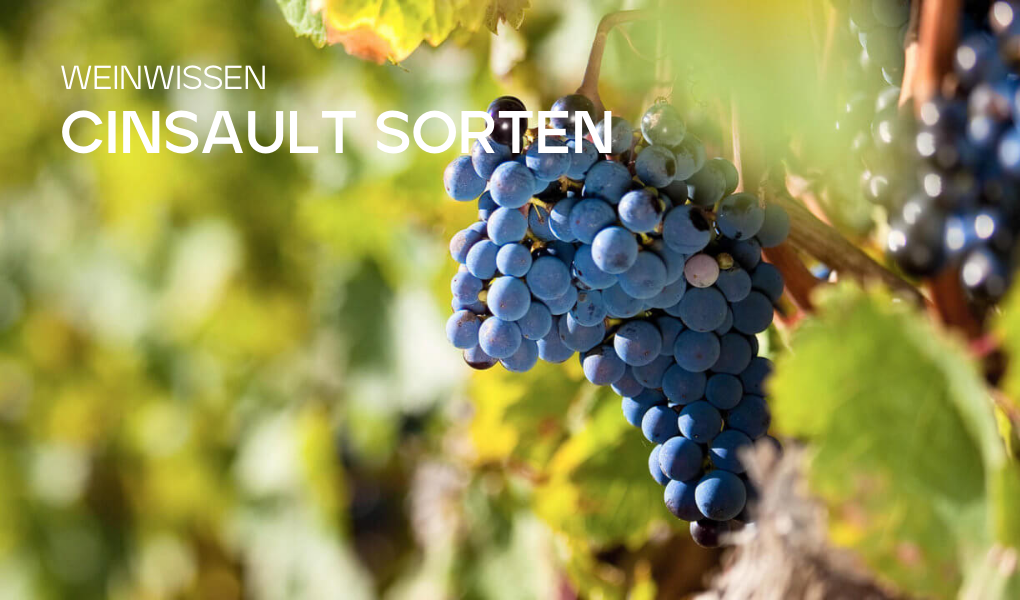
Cinsault is one of the oldest and at the same time most underestimated grape varieties in South Africa. For a long time, it stood in the shadow of international stars, was used for blends or replaced by higher-yielding varieties. Today, it is experiencing a remarkable renaissance. Winemakers are rediscovering what this variety can achieve in the hot, dry climate of the Cape.
Cinsault is not a grape variety of loudness. It is a grape variety of balance. Juicy, fragrant, with moderate alcohol and remarkable freshness, it produces wines that feel contemporary without following trends. That is precisely where its new strength lies.
Historical roots at the Cape
Cinsault arrived in South Africa as early as the 19th century and quickly became one of the most widely planted varieties in the country. It was considered robust, heat-tolerant and reliable in yield. The variety proved itself for decades, particularly in dry regions such as the Swartland or parts of Stellenbosch.
Its historical significance goes even further. Cinsault was one of the parent varieties of the cross that later produced Pinotage, the grape that is now regarded as a South African icon. Without Cinsault, there would be no Pinotage.
Nevertheless, the variety lost attention in the 1990s and 2000s. International grape varieties dominated the market. Cinsault was considered too light, too unspectacular. Only in the last ten to fifteen years has a shift in thinking begun.
Why Cinsault fits the climate perfectly
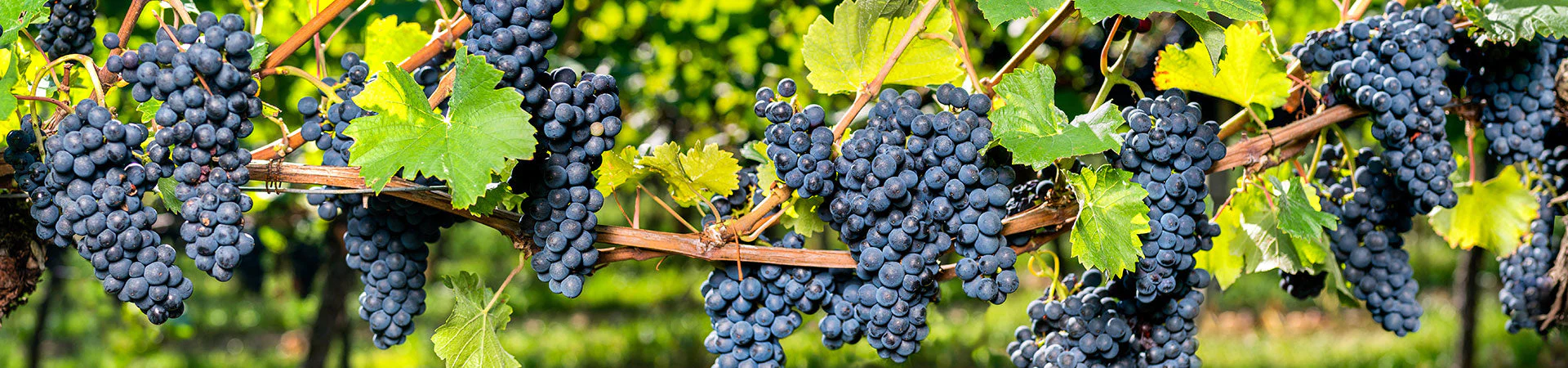
South Africa is shaped by intense sunshine, dryness and large temperature differences between day and night. This is exactly where Cinsault shows its strengths. The variety handles heat well while still preserving its freshness. Old bush vines, deeply rooted in poor soils, produce small, concentrated berries with aromatic precision.
The wines often show red berries, raspberry, sour cherry and floral notes. These are complemented by subtle spice nuances and an elegant, almost silky texture. Alcohol levels remain moderate, while the structure is clear and slender. At a time when many wine lovers are seeking freshness and drinkability, Cinsault feels almost visionary.
The renaissance of old bush vines
A key factor in the rediscovery of the variety is the growing awareness of old vineyards. In regions such as Swartland, Darling or Wellington, decades-old Cinsault bush vines can still be found today, often dry-farmed and producing low yields.
These old vines produce wines with depth and structure without losing their lightness. Many producers deliberately focus on minimal intervention in the cellar. Spontaneous fermentation, restrained use of oak and extended ageing on the lees underline the purist style.
Cinsault is no longer seen as a blending partner, but as a standalone variety with real character. The wines appear transparent, terroir-driven and surprisingly age-worthy.
Wines that perfectly express Cinsault
Top Rating
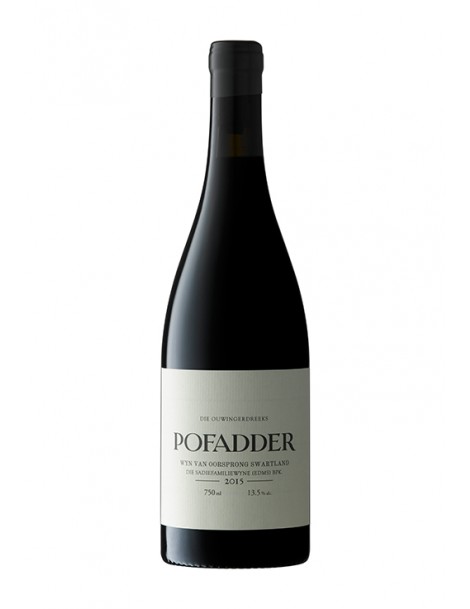
Sadie Family
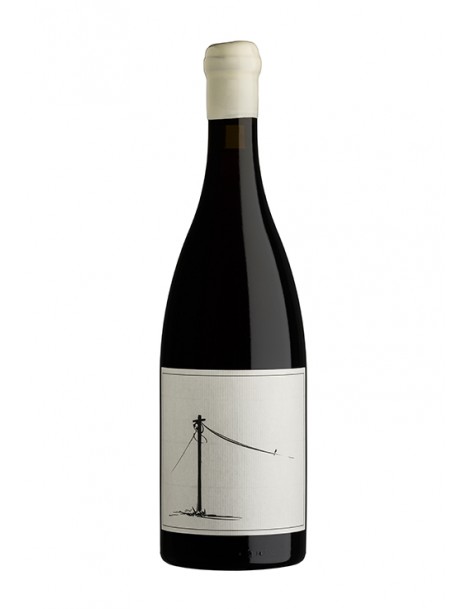
Pofadder Cinsault – District Series – 2024
CHF XX.00 instead of CHF 69.00
100 Points by Vinum
The 2023 Pofadder surprises with exceptional texture and striking tannin for a large-berried variety. Complex fruit, subtle earthiness and impressive balance give it depth and style. An elegant, more mature interpretation of Cinsault with a long, fresh finish.
Top Rating
Savage
Follow the Line – Cinsault – 2024
CHF 32.90 instead of CHF 44.00
94 Points by James Suckling
Follow the Line shows aromatic purity with notes of strawberries, cherries and floral nuances. The 2022 vintage appears slightly more structured and dense thanks to the warmer climate. Granite soils give the wine freshness and remarkable complexity.
A new style, a new audience
Cinsault fits perfectly into the modern wine world. Served slightly chilled, it feels lively and inviting. It pairs well with food as well as conversation, without being dominant. Younger wine drinkers in particular appreciate this elegance and ease.
At the same time, connoisseurs are also discovering the potential of aged Cinsaults. With increasing bottle maturity, complex notes of dried herbs, earth and subtle spice emerge. The structure remains fine, yet enduring.
Regional diversity at the Cape
While Swartland plays a central role in the renaissance, other regions are also producing exciting interpretations. In Darling, maritime influences create cooler styles with floral freshness. In Stellenbosch, the wines tend to show more structure and depth. Even in hotter sites, Cinsault surprises with balance and elegance. This diversity is what makes the variety so fascinating. It is not a uniform wine, but a reflection of its origin.
Cinsault as a symbol of a new wine identity
The rediscovery of Cinsault is emblematic of South Africa’s development as a wine-producing country. Moving away from overly concentrated, high-alcohol wines towards precision, origin and drinkability. Moving away from pure prestige towards authenticity. Cinsault embodies this movement. It is rooted in tradition, yet open to modern interpretation. Sophisticated, yet approachable. Quiet, yet expressive.
Conclusion: The quiet revolution in the glass
The major Cinsault feature shows just how much South Africa’s wine landscape has changed. A once underestimated variety is being re-evaluated and gaining importance. Old vines, sustainable farming and a clear stylistic vision lead to wines that are elegant, juicy and contemporary.
Cinsault is not a passing trend. It is a return to what South Africa has always done well. Expressing origin. Understanding climate. And producing wines that impress with freshness, precision and character.