Why South Africa’s most famous national park is more important than ever
In 2026, Kruger National Park celebrates its 100th anniversary as an official national park. Its history, however, goes back even further: as early as 1898, the Sabie Game Reserve was established as a protected area for the threatened wildlife of the Lowveld. In 1926, this became Kruger National Park and a powerful symbol of conservation in South Africa.
Today, Kruger is far more than a famous safari destination. It stands for the idea that wilderness needs space: for animals, landscapes, natural cycles and people who want to experience and protect this nature. For many travellers, a safari in Kruger National Park is one of the most impressive experiences of a South Africa journey. And not only because of the Big Five.
A vision for conservation that began early
By the end of the 19th century, many wildlife populations were under severe pressure from hunting, settlement and agriculture. The establishment of the Sabie Game Reserve marked the first major effort to protect a large natural habitat. This later became Kruger National Park.
It was a far-sighted decision. Conservation was taken seriously before many species had reached the brink of extinction. At the same time, the park’s history also carries the responsibility of addressing questions surrounding land, access and the people living in neighbouring communities. Kruger is therefore not just a safari backdrop, but a living heritage that continues to evolve.
Not a backdrop, but a living ecosystem
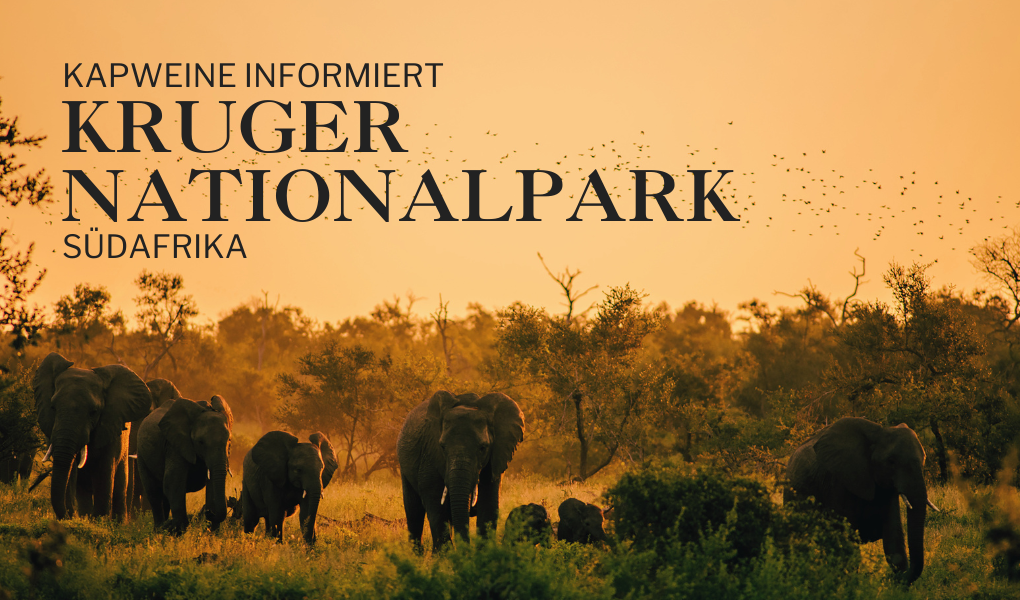
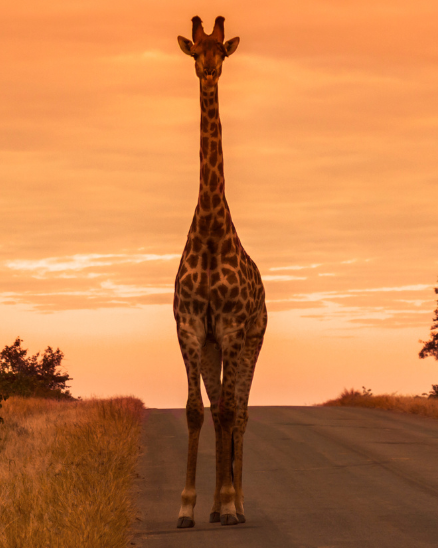
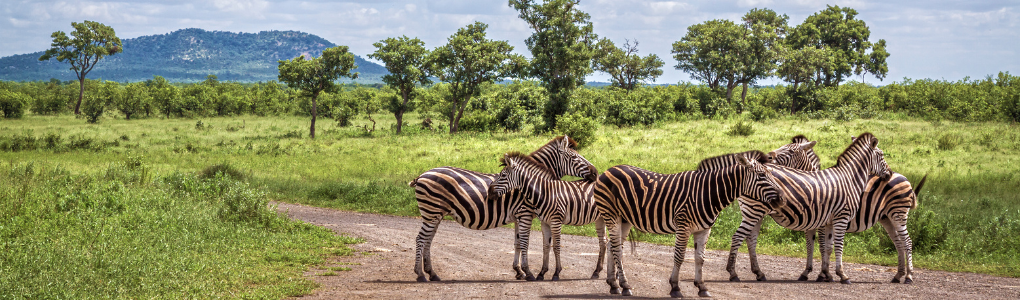
Kruger National Park covers almost two million hectares and is one of the largest continuous protected areas in Africa. It is home to elephants, lions, leopards, rhinos, buffalo, numerous antelope species, hippos, crocodiles and an exceptional diversity of birds, reptiles and plants. Of course, many visitors hope to see the Big Five. Yet the real fascination often lies in the smaller moments: an African fish eagle above the river, a herd of elephants among mopane trees or the tracks of a leopard in the sand.
A safari changes when you stop looking only for the next big animal and begin to experience the landscape as a whole. Then a sighting becomes an experience that stays with you for a long time.
A look towards Europe
The comparison with Europe is thought-provoking. Over the centuries, many large wild animals were pushed back or regionally wiped out by hunting, human land use and expanding settlements. Bears, wolves and lynx disappeared from many landscapes and often survived only as symbols on coats of arms, flags and city logos. This development is also visible in Switzerland. The brown bear was long considered extinct, while wolves and lynx have only returned more strongly to the Alpine region in more recent times.
Today, Europe has important conservation projects and successes in the return of individual species. Yet Kruger still impressively shows the difference that large, long-term protected habitats can make. Not as a zoo, but as a functioning ecosystem.
Safari tourism with responsibility
Kruger National Park is one of South Africa’s most visited nature destinations each year. This makes it an important driver of tourism, employment and regional development. At the same time, it also increases the responsibility to keep nature and visitor flows in balance. The park offers different ways to experience the wilderness. You can explore it in your own vehicle, stay in the public rest camps or plan a safari at a private lodge in the Greater Kruger area.
Good safari tourism, however, means more than beautiful lodges and spectacular photos. It should create local jobs, involve qualified guides and help ensure that the people living around protected areas benefit directly from nature.
South Africa’s wildlife extends far beyond Kruger
Kruger is the country’s most famous safari destination, but it is only one part of South Africa’s extraordinary natural diversity. Few other travel destinations combine bushland, coast, mountains, desert and wetlands in such a compact area. In Addo Elephant National Park, you can encounter an impressive elephant population and, with a little luck, even the Big Seven. In addition to the Big Five, the Southern Right Whale and Great White Shark are also part of the extended wildlife experience there.
Kgalagadi Transfrontier Park fascinates with red dunes, birds of prey, oryx antelopes and striking Kalahari lions. If you are visiting Cape Town, you can also observe African penguins at Boulders Beach. It is precisely this diversity that makes South Africa such a special travel destination. A journey can begin with vineyards and culinary experiences at the Cape and end in the bush of the Lowveld.
Why Kruger belongs on every safari list
Kruger National Park is not a place you simply tick off in a few hours. Those who stay for several days experience the different moods of the bush: the first light of morning, the heat of the day, the calm evening air and the sounds of the night.
For a first safari, Kruger is ideal because the park is well developed and even self-drive visitors have good chances of exceptional wildlife sightings. Those who want to dive deeper will find particularly intense experiences on guided safaris and in private reserves. The drier months between April and November are considered especially good for wildlife viewing. The vegetation is less dense and many animals are more often found near waterholes. As Kruger lies in a malaria area, personal travel medical advice should be part of the planning.
A safari can be wonderfully combined with the Panorama Route. Waterfalls, viewpoints and the Blyde River Canyon reveal another spectacular side of the Lowveld.
The next 100 years begin now
An anniversary is always a look back. With Kruger National Park, it is above all a look ahead. Climate change, water scarcity, poaching, infrastructure and the protection of open migration corridors will determine what the future of the park looks like.
The core idea remains strong: wilderness is not a luxury. It is part of our natural heritage and needs people who take responsibility. For a century, Kruger has shown how closely conservation, travel, education and local development can be connected. Those who visit do not only experience wildlife. They become part of a story that reaches far beyond a single safari moment.
Conclusion: a journey that stays with you
A safari in Kruger National Park is one of the most impressive ways to experience South Africa. Not only because of the Big Five, but because of the vastness, the silence and those small observations that leave a deep impression.
100 years of Kruger stand for protection, change and the hope that future generations will still be able to see elephants along the Sabie River, hear lions in the distance and experience the African bush in all its power. For anyone wishing to travel to South Africa, Kruger National Park is therefore far more than a travel tip. It is an invitation to experience the wilderness with open eyes and to understand its protection as a shared responsibility.