An Ambitious Type of Wine Tasting
Blind Tasting?
For those who have ever participated in a wine examination requiring a blind tasting, these two small words evoke a mix of emotions: fear, excitement, frustration, and – for those who have successfully passed it – exhilaration. Most wine professionals experienced in blind tastings can tell a story about a particularly challenging blind tasting scenario where they correctly identified an iconic wine down to the producer, or caught a completely "incomparable" wine. Of course, we also remember the ones where we were terribly wrong, but talking about those is much less fun.
What's the Deal with Blind Tasting?
Blind tasting creates the opportunity to objectively assess a wine without preconceived notions and to evaluate it independently of individual preferences. This way, influences from the reputation and popularity of the origin region, grape variety, or winemaker are avoided, and the evaluation is based solely on the impressions conveyed by the wine. This requires a certain humility, as all tasters ultimately start from the same position. Below are some exemplary situations in which blind tasting plays a role:
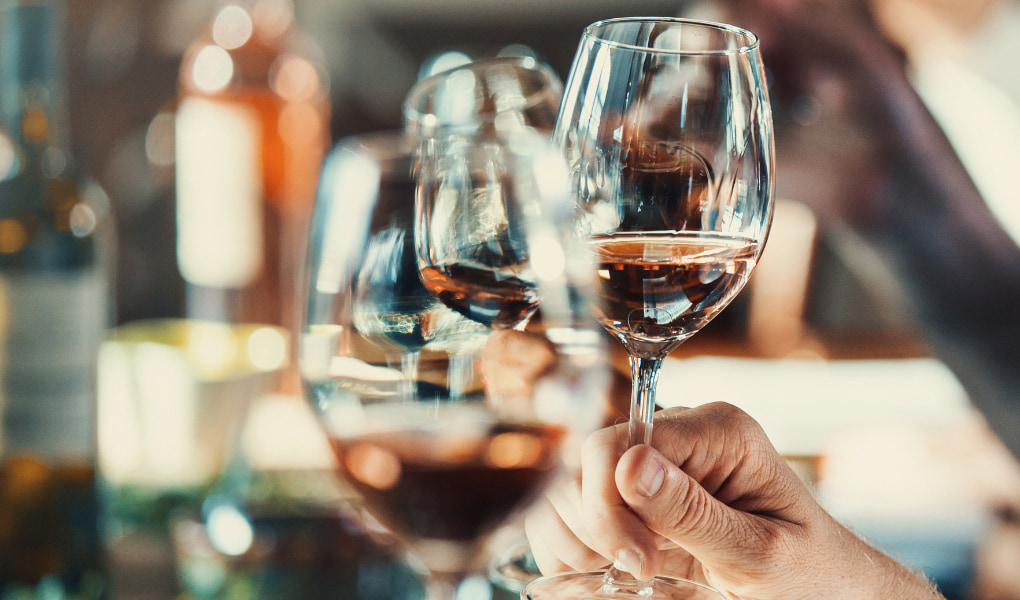
The world of wine opens up a fascinating realm of intense impressions and taste experiences. In blind tasting, wine undergoes a sequential journey of the senses – it is experienced, analyzed, tasted, and finally evaluated.
During this process, the fine wine remains anonymous in the glass. Initially, the tasters do not know what kind of wine it is. This approach ensures that testers are not influenced by labels or the reputation of a renowned winery in their evaluation. Thus, the assessment after the blind tasting is unbiased and neutral.
We will now explain the detailed procedure of a blind tasting step by step.
Preparation
Prepare the glass by pouring in about 4 cl of wine and gently tilting it until the glass walls are completely coated. By swirling vigorously and then pouring out the wine, you prepare the glass. Now the actual blind tasting can begin. Pour generously, but not too much, about 6 to 8 cl into your wine glass – this gives you enough space to swirl the wine with pleasure.
1. See
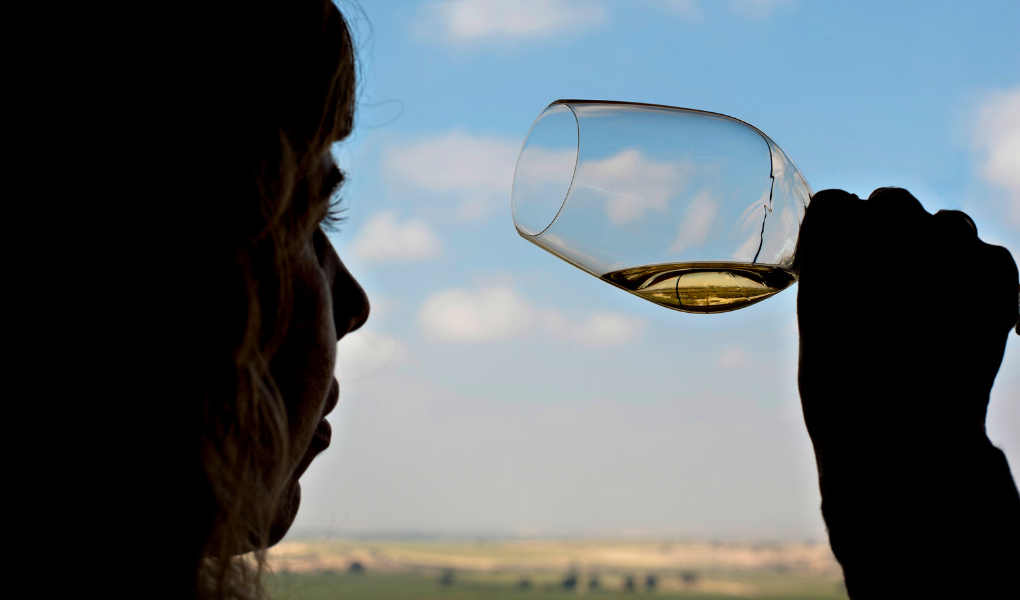
In the first step, the wine is swirled in the glass to observe the "legs" or "tears" – the slow draining patterns on the rim of the glass. These shapes, more pointed with higher alcohol and extract content, are referred to as viscosity. Slow, clear legs indicate a fuller-bodied wine. However, the tears or thick drops do not affect the wine's quality.
The second part of the visual evaluation concerns the wine's color. A lighter red wine with brownish nuances at the rim suggests an older wine, as the color pigments settle at the bottom over time. Darker red wines often come from hot growing regions and are more robust. For white wine, the opposite is true: dark white wines are usually older than light ones. The wine's color in a blind tasting provides information about its age, grape variety, and growing region. Additionally, the wine in the glass should be clear and brilliant.
2. Smell
Before the first sip and in the second step of a blind tasting, the wine is intensely smelled. By vigorously swirling the wine glass and then briefly inhaling, numerous fruit aromas are perceived, which significantly enhances the enjoyment. Please always swirl the wine glass by the stem and avoid holding the bowl or glass body in your hand. Body heat can significantly impair the taste.
Basically, aromas can be divided into a few main categories: spicy, caramelized, fruity, herbaceous, floral, smoky. These categories provide pure information about the aromatic nuances.
Wine can take on up to 500 different fragrance aromas, which makes the diversity of olfactory experiences enormous. If a scent is not immediately identifiable, take your time smelling. By repeated swirling and smelling, you can coax out the wine's unique notes.
Most wines develop not only so-called primary aromas but also secondary aromas, which are only perceived after prolonged smelling or afterwards. These aromas should also be identified as precisely as possible.
3. Taste
Now you may taste the wine – the gustatory evaluation is the most demanding task during the blind tasting. The wine is evaluated in the mouth in three ways: by taste, smell, and consistency. When tasting, the wine remains in the mouth for a while, and slurping (drawing in air) allows more aromas to develop. In short: the wine tastes more intense, and the individual aromas become more pronounced. You can particularly distinguish between the flavors sweet, sour, salty, and bitter.
After the basic flavors, the aromas are identified, as with smelling, following the same scheme. Primary and subsequent aromas should be assigned to the up to 500 fragrance nuances.
Finally, the wine is touched: How does it feel? Viscous, fleshy, oily, or rather thin and light? A crisp wine refreshes, a soft one is harmonious, while a harsh one is somewhat irritating. Textures such as velvety, creamy, or oily can also be determined here.
4. Finish
After you have tasted the wine extensively and intensely, you have the option in this step of the blind tasting – you can either swallow the sip or spit it out.
In the final part of the tasting, the focus is on the impression and persistence of the wine aromas, especially the famous finish. The taster evaluates how the taste and consistency affect the palate and whether the overall impression is harmonious. The duration of the lingering aromas plays a role: a short finish is evident when all aromas disappear immediately; a medium finish, when the wine fades slowly; and a long finish, when new to intense nuances emerge after swallowing.
At the same time, it is important to sense the harmony of the wine. An inharmonious wine can stand out due to significant structural problems or irritations, for example, if a taste or the alcoholic note is too dominant. Ideally, the wine's structure is naturally balanced.
5. The Final Assessment