


The Art of Wine Blending
Blends, Cuvées, and Assemblages
In the world of wine, the practice of blending is an art applied with great sophistication by winemakers around the globe. While the term "blending" often has a technical sound, there are many more elegant names for this practice. In German-speaking regions, we often use terms such as Cuvée, Assemblage, Coupage, or even Mariage, Blend (in the New World), or Meritage (California). These terms all refer to the same thing: the harmonious mixing of wines from different grape varieties or vineyards to create a unique final product.
Why blend at all?
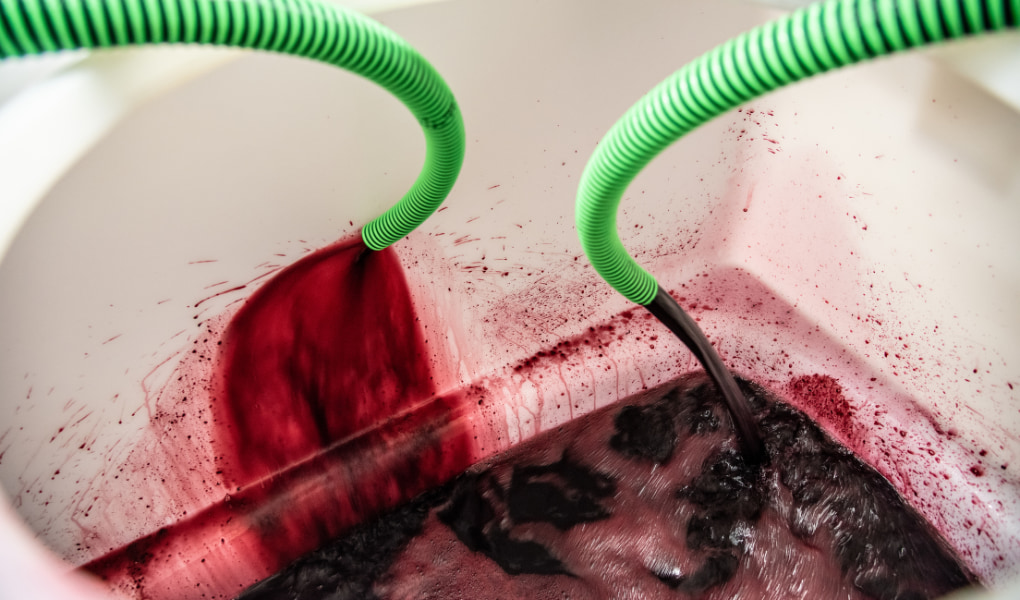
The goal of an assemblage is for the blended wine to taste better than each individual lot on its own. By skillfully combining different grape varieties, a harmonious balance of alcohol content, aromas, acidity, tannins, and color is sought. So-called "coloring grapes" can be used especially for coloring. Even a slight addition can lead to a significant deepening of color. When blending different grape varieties, one variety usually accounts for the largest proportion to define the characteristic taste of the wine.
However, the practice of wine blending has not only aesthetic but also practical reasons. Since not all grape varieties bud, flower, and ripen at the same time, assemblage allows for the correction of weather influences. If a grape variety does not reach optimal ripeness or the yield is low, the winemaker can compensate by skillfully blending with other grape varieties. In this way, they can ensure the consistent quality of their wines within a certain framework.
Ideal timing and optimal maturation
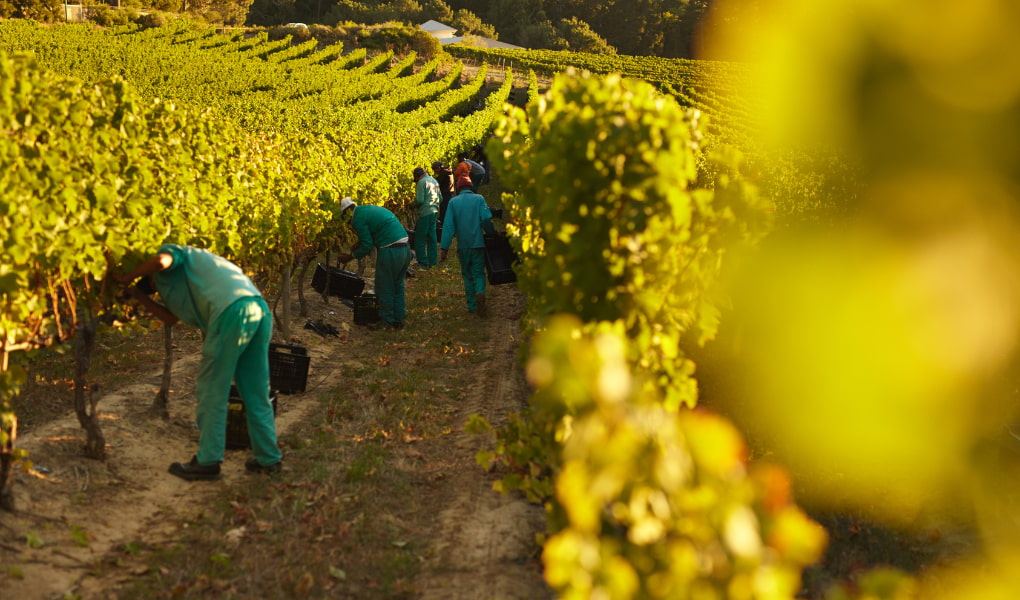
In the past, different grape varieties were often planted together in a single vineyard (Gemischter Satz) and harvested together. Nowadays, each grape variety is usually fermented separately and blended only shortly before bottling. This allows the winemaker to harvest each variety at the ideal time and the cellar master to give each wine the best possible maturation.
When producing Cuvées or Assemblages, legal regulations must also be observed, which vary depending on the country and region. These regulations specify which grape varieties may be blended and to what extent. In most cases, however, mixing red and white wine is largely prohibited.
South African Blends
South Africa has played an outstanding role in this art of wine blending. In addition to single-varietal wines, South African winemakers offered primarily blends of Bordeaux varieties for years. But their creativity has long broken through this strict framework. With success among critics and the public, they are experimenting with a variety of styles and grapes. Today, classic Bordeaux blends successfully compete with innovative mixtures, including Cape Blends with Pinotage, blends with Shiraz, and blends with grapes of different or exclusively Mediterranean origin.
Overall, the art of wine blending is a fascinating and complex practice that combines tradition, innovation, and craftsmanship. Blends, Cuvées, and Assemblages offer a wide range of taste experiences and are an essential part of the wine world worth exploring.
From our assortment

Killer Deal >6 Bottles
WATERKLOOF
Circle of Life White- 2022
CHF 14.90 instead of CHF 24.00

Killer Deal >6 Bottles
KRONE
MCC Rosé Brut- 2021
CHF 17.90 instead of CHF 22.00

Killer Deal >6 Bottles
DIEMERSDAL
Private Collection- 2021
CHF 19.90 instead of CHF 24.90

Killer Deal >6 Bottles
WARWICK
Black Pitch Black- 2020
CHF 19.90 instead of CHF 29.00

Killer Deal >6 Bottles
BOSCHKLOOF
Conclusion- 2020
CHF 26.90 instead of CHF 39.00

Killer Deal >6 Bottles
RAINBOW’S END
Family Reserve- 2020
CHF 29.90 instead of CHF 44.00
Wine Tasting: Be blended*
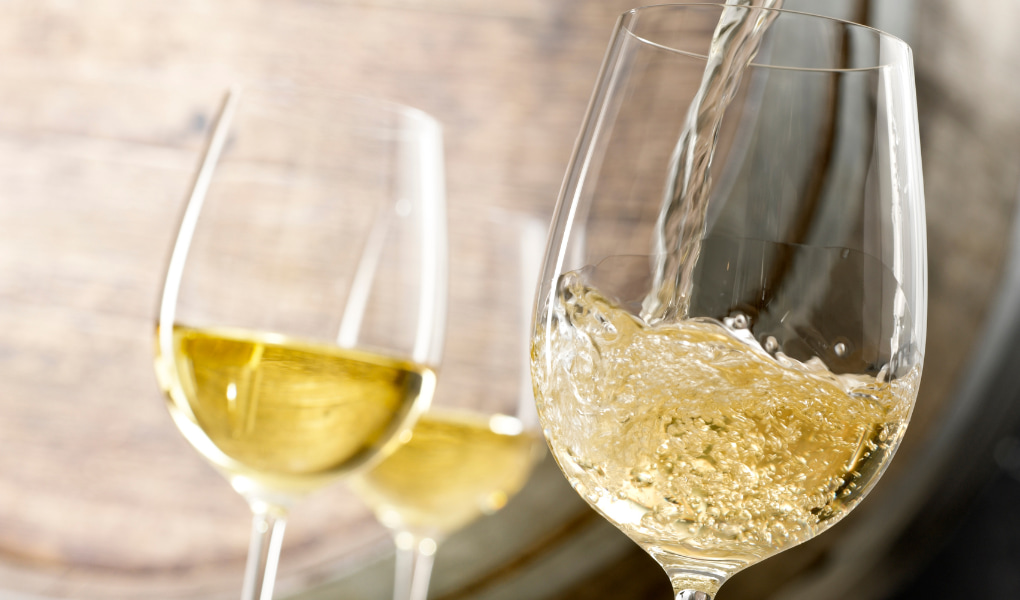
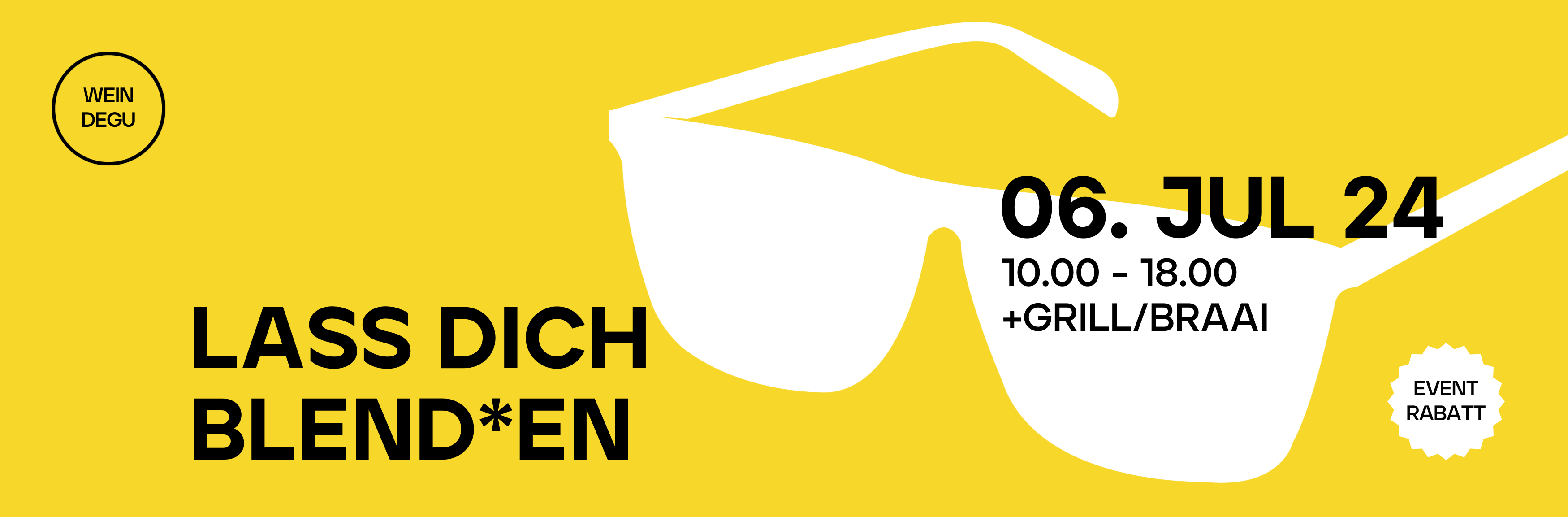
Experience the fascinating world of wines on July 6th at our wine tasting in Wädenswil! Discover the variety of White Blends and Red Blends and enjoy new taste horizons. Look forward to a day full of surprises and finely tuned compositions.
All prices in CHF incl. VAT. Daily price as of 12.06.2024.
Offers valid while supplies last. Errors and price changes reserved.


