


The Production of MCC
In 1992, South African winemakers introduced the term Cap Classique, also known as Méthode Cap Classique, to designate local sparkling wine produced using the traditional Champagne method (Méthode Champenoise).
Since the term Champagne is protected and may only be used for sparkling wines from the Champagne wine region in France, producers at the Cape developed an alternative name. This led to the creation of the prestigious Cap Classique wine category, inspired by the French model.
How is MCC produced?
In the production of Méthode Cap Classique wines, winemakers often use typical Champagne grape varieties such as Chardonnay and Pinot Noir. In addition, they use South African grape varieties like Chenin Blanc to create a unique character. The renowned winery Delaire Graff was the first to produce an MCC from the Chenin Blanc grape variety.
South African winemakers have further developed and refined their approach to create their own distinctive style. They refine the "base wine" through an additional fermentation. The quality of the base wine is a crucial factor in the quality of the final product. Winemakers do not use overripe grapes to maintain a solid acidity in the grapes.
The name Cap Classique recalls the classic art of winemaking introduced to the Cape by the French Huguenots. The first bottle-fermented sparkling wine produced at the Cape was called Kaapse Vonkel (Cape Sparkle).
After bottling, the bottles are stored horizontally for at least twelve months in cool, dark cellars, where they ferment and mature. Some producers significantly extend the lees contact time depending on the style and vintage. After riddling and disgorging, the Cap Classique wines mature for some time on the cork to ensure integration and balance.
What are the exact steps?
Sparkling wine production using the traditional method (bottle fermentation):
Step 1:
The ripe grapes are harvested (e.g., for Champagne, it must strictly be Chardonnay, Pinot Noir, or Pinot Meunier).
Step 2:
The grapes are destemmed and pressed. This is followed by the first fermentation in tanks, separated by variety, to obtain the base wines for later blending.
Step 3:
The winemaker blends the base wines as he sees fit. Then, he adds liqueur de tirage (a mixture of sugar and yeast) to initiate the second fermentation in the bottle. The wines are transferred to the final bottles, making each sparkling wine unique.
Step 4:
The bottles now rest for a long time on riddling racks and are regularly turned so that the yeast deposit slides into the bottle neck.
Step 5:
After this resting phase, the bottle is disgorged, meaning the yeast is removed. Before re-sealing the bottle, the cellar master adds the desired dosage (sugar addition).
Step 6:
Finally, the bottles are corked and labeled. The cellar master decides whether the sparkling wine goes directly to sale or undergoes further maturation in a dark, cool cellar.
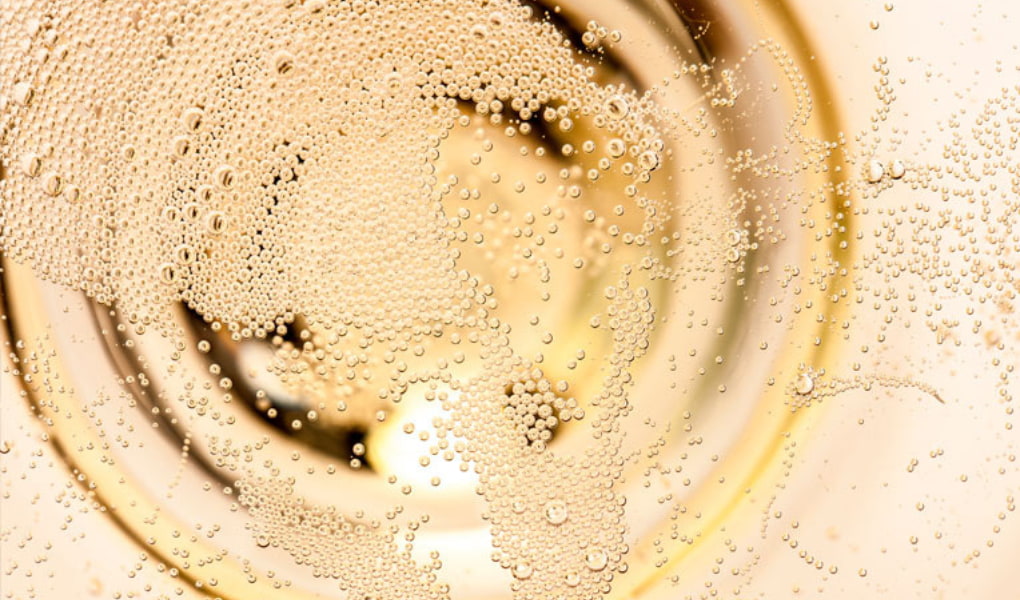
This method creates complex aromas and a fine perlage.
What is the difference to Prosecco?
The main difference lies in the second fermentation: in the traditional method, it takes place in the bottle, while for Prosecco, it occurs in a pressure tank. This leads to different flavor profiles and mousse characteristics. Additionally, winemakers must use the Glera grape for Prosecco.
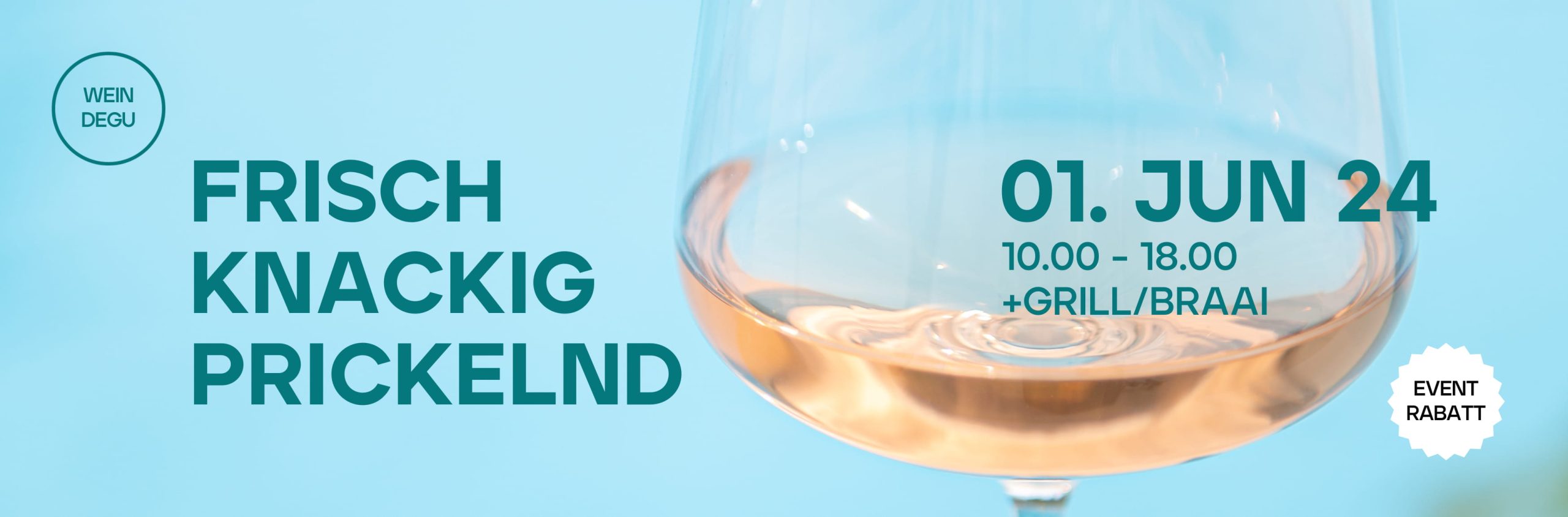
Wine Tasting: Fresh, Crisp & Sparkling
Discover the refreshing lightness of summer on June 1st at our exclusive wine tasting, entirely dedicated to sparkling wines and refreshing summer wines. Immerse yourself in a world full of effervescent delights and fruity aromas that perfectly reflect summer. We look forward to your visit!
All prices in CHF incl. VAT. Daily price from 21.05.2024.
Offers valid while stocks last. Errors and price changes reserved.


