How to Accurately Describe Wine Flavors
The language of wine is as diverse as its flavors themselves.
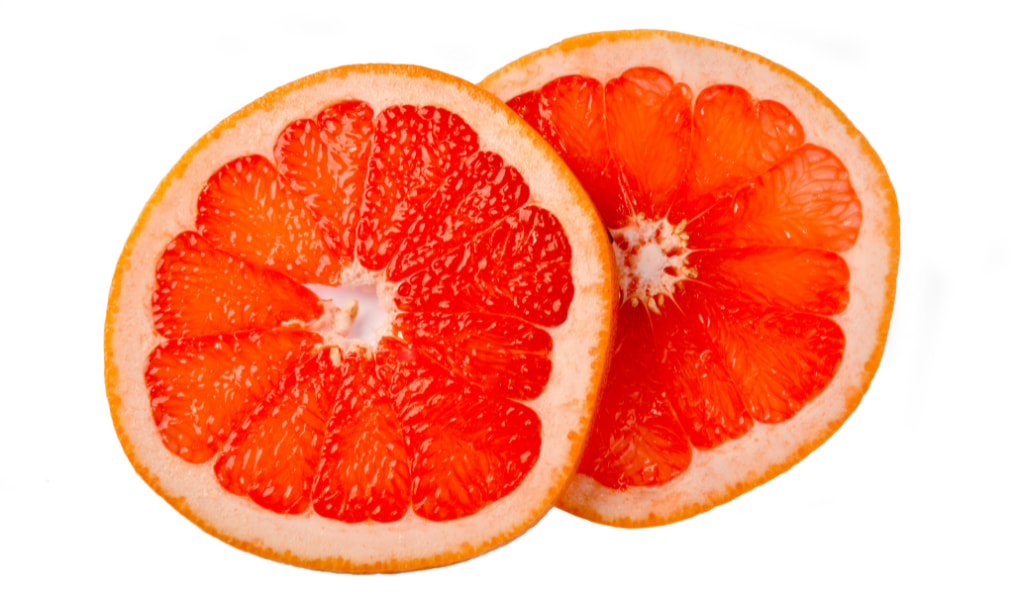
From fruity explosions to mineral notes, wines offer a wide array of aromas to explore. To accurately describe these flavors, a rich vocabulary is used. One speaks of fruity nuances like berries or citrus fruits, of spicy elements like cloves or pepper, of woody tones like vanilla or tobacco, and of mineral notes like flint or chalk. The art lies in skillfully combining these terms to convey the character of a wine precisely and vividly. With the right language, the wine tasting experience becomes a captivating journey through the world of the senses.
What flavors do we perceive?
Professionals primarily evaluate a wine on the palate. Our perception of wine taste is a fascinating journey through the taste zones of our tongue. These papillae are responsible for allowing us to distinguish up to five different taste sensations.
The previous assumption was that the tip of the tongue is sensitive to sweetness, the edges to acidity and saltiness, and the back of the throat to bitterness. However, new insights from current research point to a taste continuum: the receptors for the various taste sensations are relatively evenly distributed on the tongue. We perceive the different tastes with the same cells on the taste buds. Only the signals transmitted to the brain differ. For example, one neurotransmitter conveys "sweet," another "bitter," a third "sour," and a fourth "salty." Therefore, it is advisable to assess the impressions not on the palate, but only after spitting, as they can overlap and thus be difficult to distinguish. Umami, the fifth taste, which stands for "meaty" and "savory," is still relatively new in research and occurs when something tastes particularly delicious.
Recently, the sense of taste for fat or oil has also been considered a sixth sense of taste. We can primarily perceive this in foods, regardless of their sweet, salty, or bitter taste. One would not expect this in wine, as wine contains no fat. Nevertheless, certain wines like a mature Chardonnay or a red Shiraz can feel oily, leaving a viscous or thick texture on the tongue, triggered by a glycoprotein.
The Finish
The finish in wine tasting significantly shapes the wine's taste, as it lingers and reveals aromas like fruit notes, acidity, and bitterness even after swallowing. For wine lovers, the finish is an important quality criterion, as its harmony and duration reflect the wine's quality. A long and positive finish often indicates a high-quality wine.
How best to describe wine?
Here are some important terms from the wine vocabulary for you:
Astringent: A harsh, mouth-drying taste sensation that makes the wine feel constricting, caused by tannins. The tannins contained in the wine provide a dry and structured mouthfeel.
Floral: Scent and taste of flowers.
Earthy: Smell and taste of damp earth.
Fresh: A young wine with an acidic taste.
Fruity: A wine with a distinct aroma of fresh fruit such as strawberries, apples, or citrus fruits.
Grassy/Greenish: The smell and taste of freshly cut grass (especially in white wines).
Harmonious/Round: A well-balanced wine with an even sweet-acid ratio that leaves an absolutely positive impression.
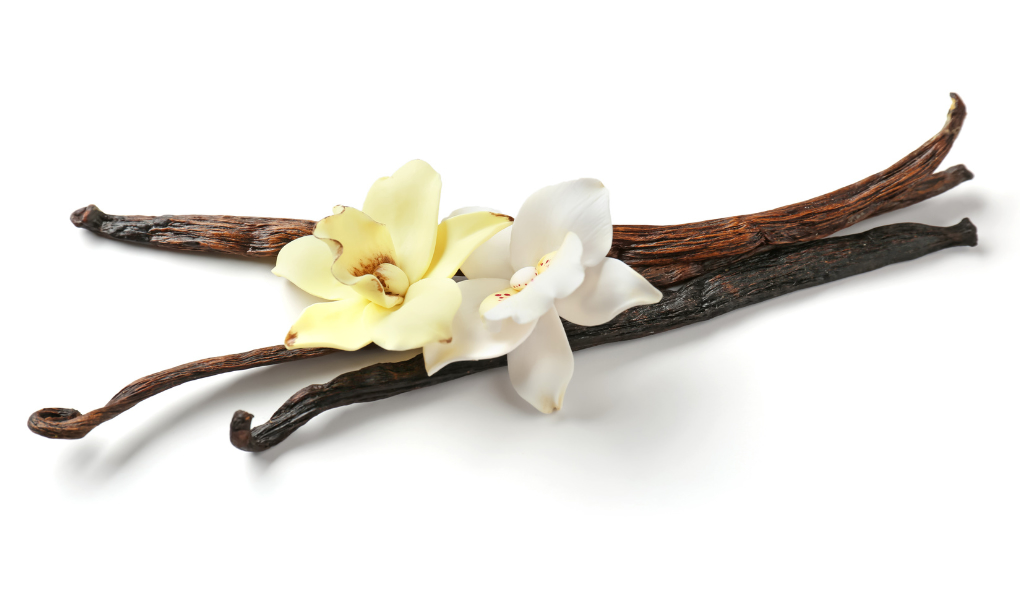
Woody: With nuances of wood, vanilla, or tobacco.
Angular: An unharmonious wine.
Complex: A wine where many different aromas can be recognized.
Herbaceous: With aromas of herbs like thyme, rosemary, or mint.
Light: A wine with little alcohol and subtle aromas, that is unobtrusive.
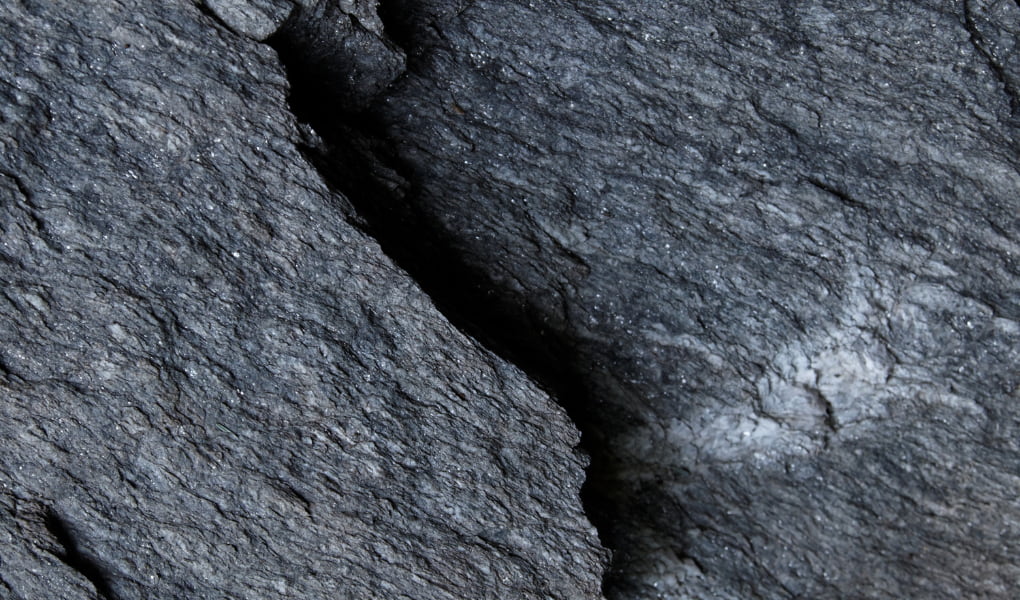
Mineral: With notes of flint, chalk, or salty sea air.
Neutral: A wine with little aroma.
Velvety/Soft: A pleasant wine with little acidity.
Sweet: A wine with high sugar content or the aroma of ripe fruits. With sweet notes like honey, caramel, or dried fruits.
Dry: A wine that creates a dry sensation in the mouth, caused by tannins. With a rather tart and not sweet taste impression.
Rich: Full-bodied texture, a mouth-filling wine.
Full: A very aromatic wine.
Warm: A sweetish, alcoholic wine.
Spicy: A wine with pronounced spice aromas such as cloves, pepper, or cinnamon.
A wine can also taste corked or oxidized. Corked refers to a cork taint caused by a contaminated cork, making the wine taste musty or like wet cardboard. If a wine is oxidized, it means it has been exposed to too much oxygen, losing its fresh character, which can lead to an unpleasant taste.
Wine Tasting: A Matter of Character
With these technical terms, you can impress at your next wine tasting. We invite you to visit our wine tasting on May 4th to deepen your knowledge and put your skills to the test. We look forward to seeing you!