


A Fresh, "Wild" White Wine
Sauvignon Blanc Vinification Methods
Sauvignon Blanc is predestined for the warm summer months. Whether fresh, crisp, fruity, or smoky – how does the flavor get into the bottle?
We show which vinification methods create the special note of your favorite Sauvignon Blanc and which of these wines you can enjoy this summer.
The exact date when the first Sauvignon Blanc was planted in South Africa cannot be clearly determined. This also applies to the individuals who should be called pioneers of this grape variety. It is certain that it was planted at Groot Constantia in the late 1880s. It is also undisputed that Sauvignon Blanc is South Africa's most popular grape variety.
The Sauvignon Blanc variety, also known as Blanc Fumé, or Sauvignon Jaune, originates from western France, from the Loire Valley and Bordeaux wine regions. It is a natural cross between Traminer and Chenin Blanc. Furthermore, Sauvignon Blanc was crossed with Cabernet Franc, which resulted in Cabernet Sauvignon. The grape variety plays an important role in many major wine-producing countries, from Europe and the Old World to almost all New World growing countries. The six largest growing countries for this grape variety are France, New Zealand, Chile, South Africa, Australia, and Romania. However, there are also about 40 other countries where the variety is grown.
In South Africa, Sauvignon Blanc is mainly grown in the coastal regions, particularly in the areas of Stellenbosch, Constantia, and Walker Bay. The climate in these regions is Mediterranean, with cool ocean breezes that benefit the vineyards and help the Sauvignon Blanc grapes retain their freshness and acidity. The soils in these regions are often clayey and loamy, which gives Sauvignon Blanc good minerality.
Overall, winemakers in South Africa have a choice of different materials for the vinification of Sauvignon Blanc, including steel, wood, amphorae, or concrete. Each material has its own advantages and can impart different aromas and flavors to the wine. The final product also depends on the combination of factors such as soil, climate, and vineyard management.
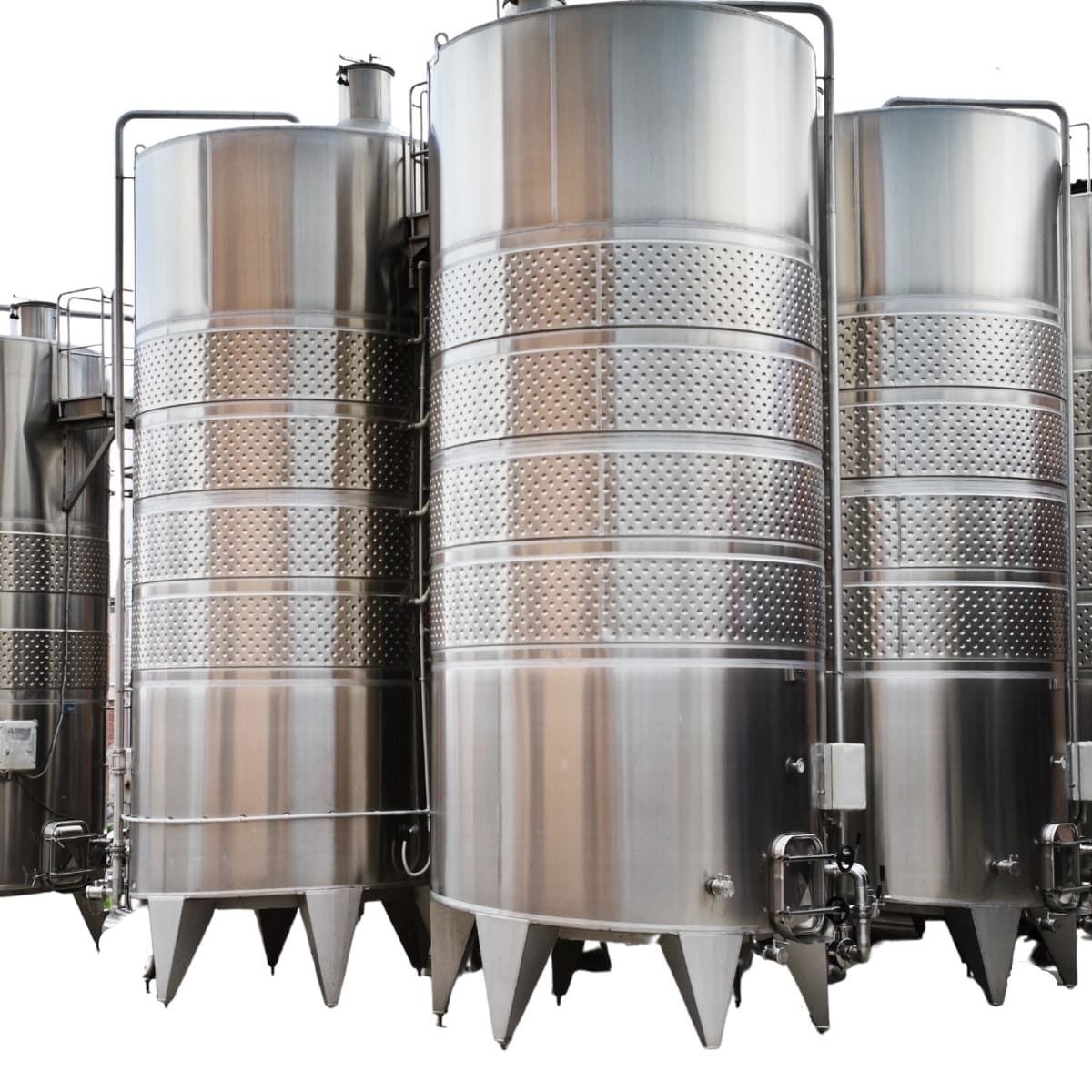
Vinification in Stainless Steel Tanks
Steel tanks are a popular material for fermenting Sauvignon Blanc because they provide a neutral environment that allows the wine to retain its freshness and fruitiness. The use of steel tanks is also easier to control than wooden barrels or concrete, as they are less porous and thus less oxygen can penetrate. This allows the winemaker to better control the influence of air on the wine and prevent the wine from oxidizing.
WOY Promotion – from 6 bottles
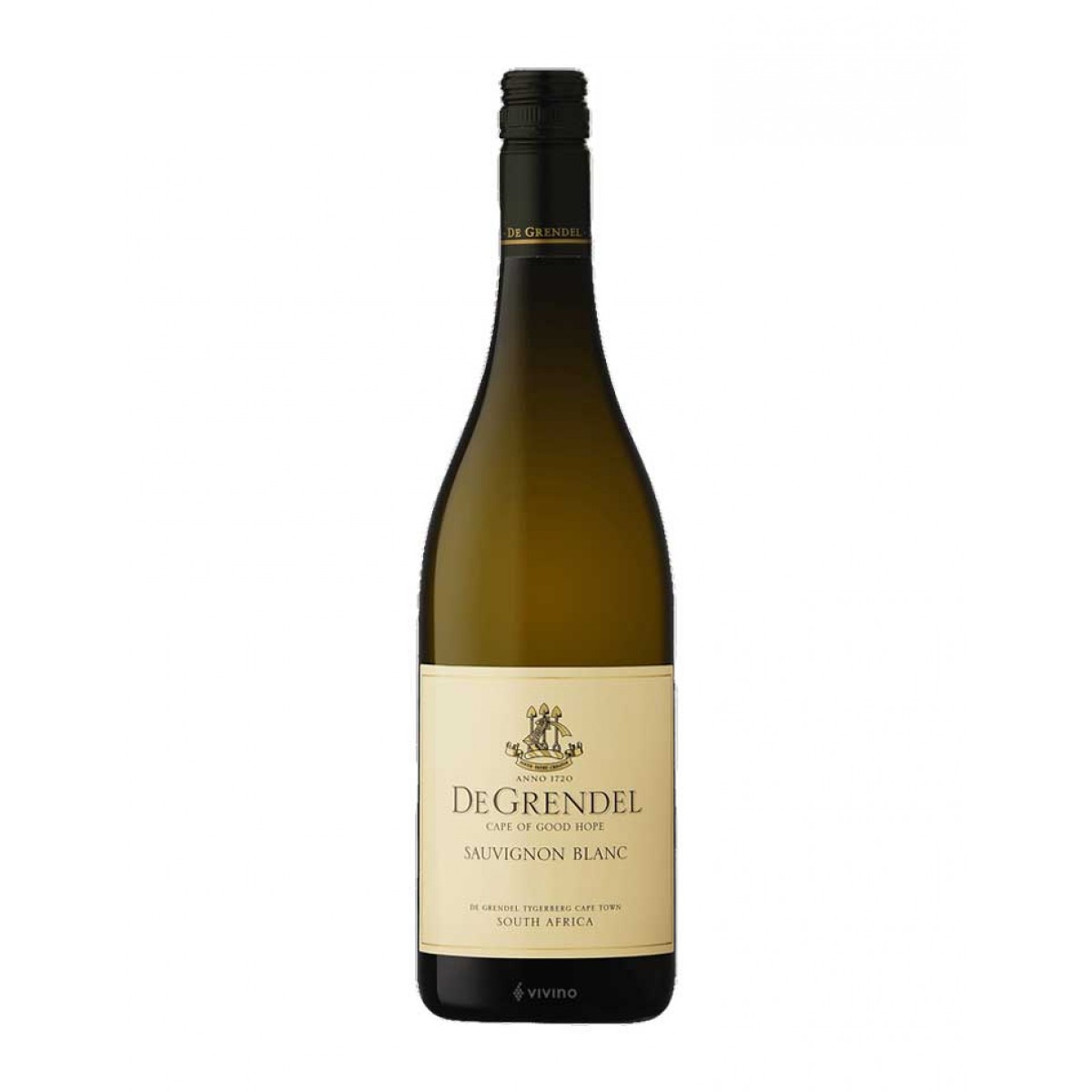
DE GRENDEL
Sauvignon Blanc – 2022
CHF 11.90 instead of CHF 15.90
90 Points by WINEMAG SA
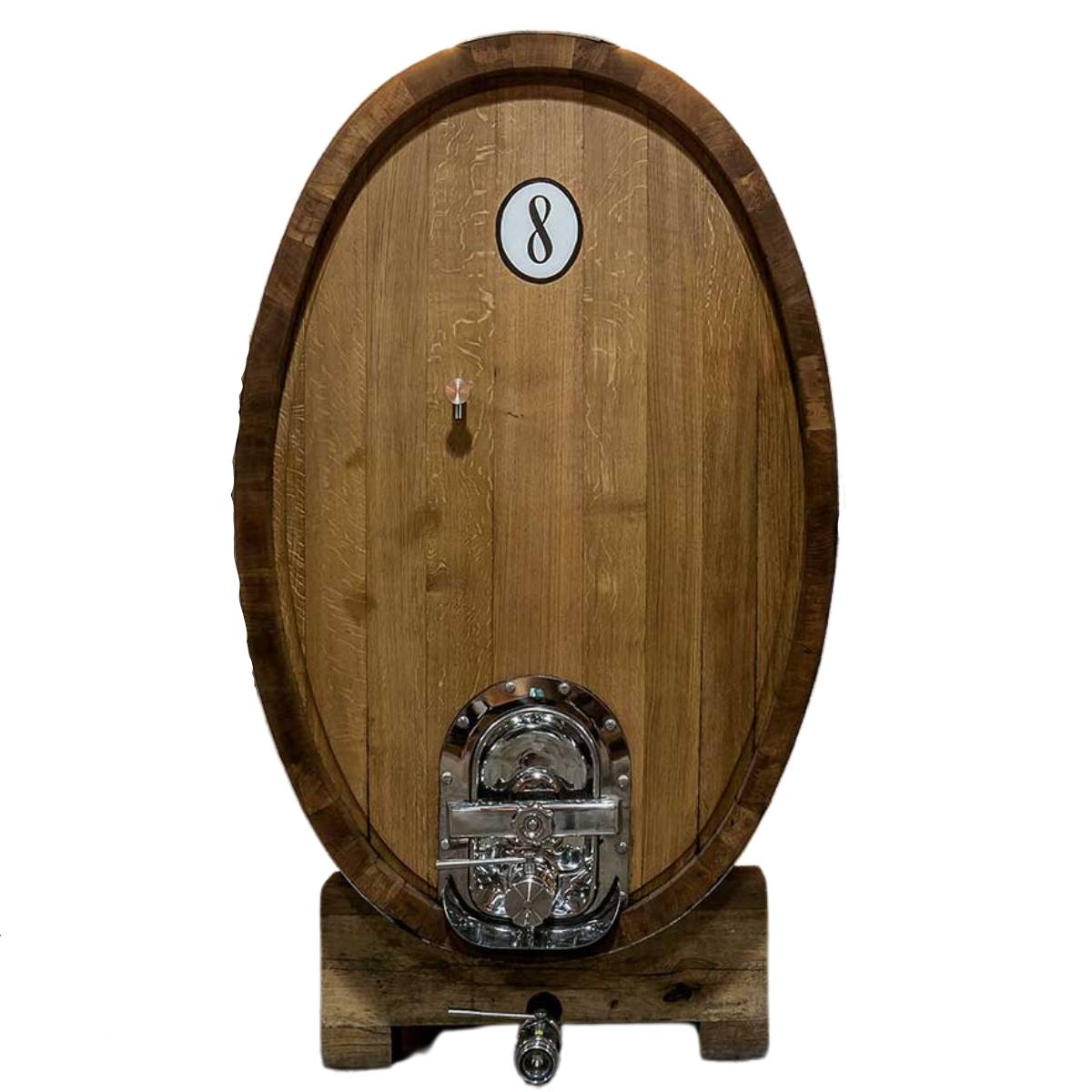
Vinification in large wooden barrels
Wooden barrels are often used for aging Sauvignon Blanc. The use of wood can add more complexity and aromas to the wine. The type of wood and the degree of toasting have a significant impact on the taste and aroma of the wine.Wooden barrels can be made from various types of wood such as oak, pine, or acacia and contribute to the taste, aroma, and texture of the wine. During vinification in wooden barrels, tannins and aromas from the wood can penetrate the wine, giving it a certain complexity and depth. In addition, wooden barrels can also help control oxygen exchange in the wine, which can contribute to aging and maturation. Sauvignon Blanc aged in wooden barrels can exhibit vanilla, cinnamon, or smoky aromas.
Killer Deal – from 6 bottles
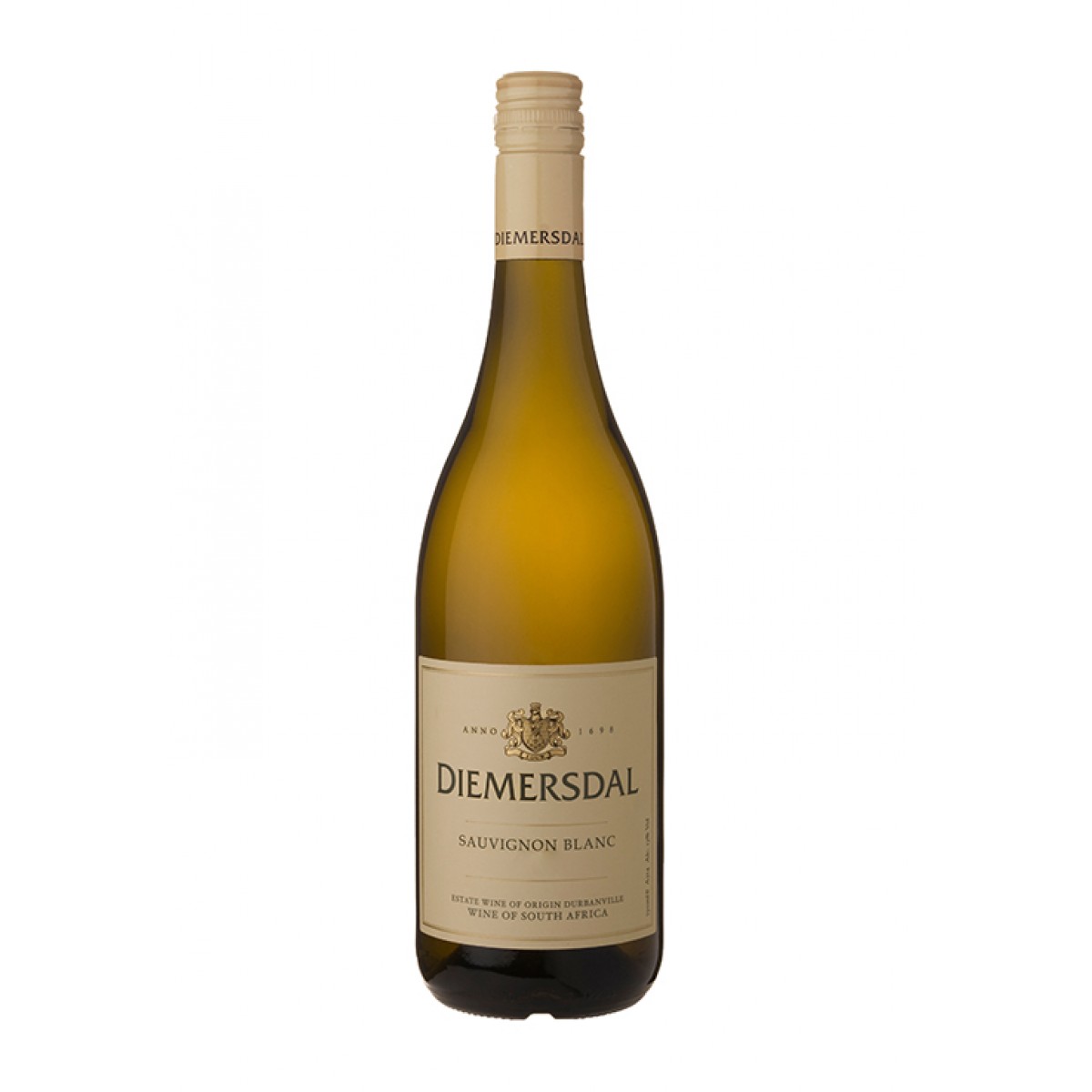
DIEMERSDAL
Sauvignon Blanc – 2022
CHF 11.90 instead of CHF 15.90
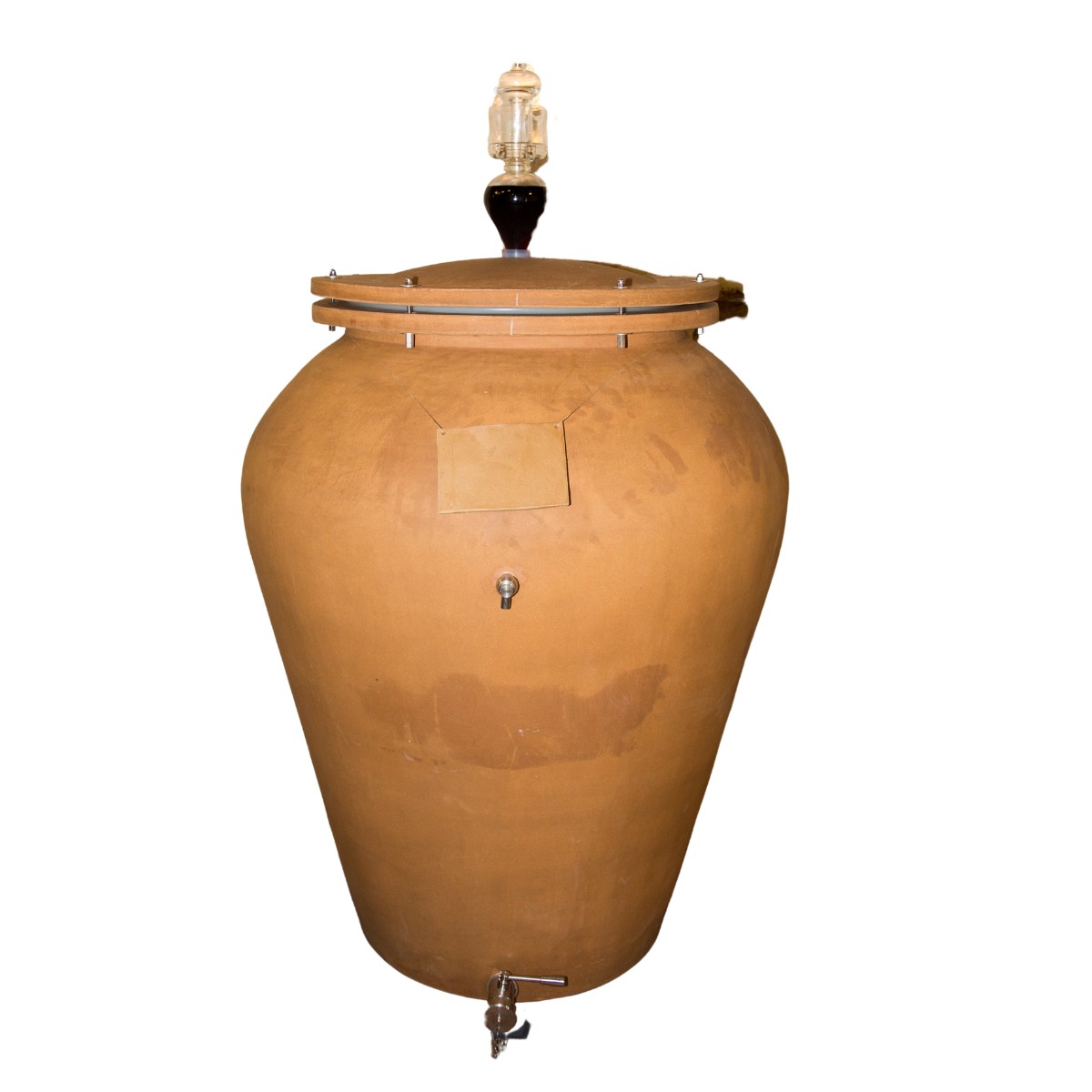
Vinification in Amphora
Vinification in amphorae or concrete eggs is a popular technique used by many winemakers around the world. This method is often referred to as a "natural" or "traditional" method, as it draws on technologies that have been used for thousands of years. Amphorae have the advantage of being porous and allowing the wine to breathe, which enables natural micro-oxidation. This can help the wine become softer and smoother, and give it a special texture and complexity. In addition, amphorae and concrete eggs can stabilize the temperature, which helps the wine ferment and mature naturally. Another advantage is that they do not release unwanted aromas or chemicals, as can be the case with some wooden barrels. This way, the natural aromas and flavors of the wine can be preserved.
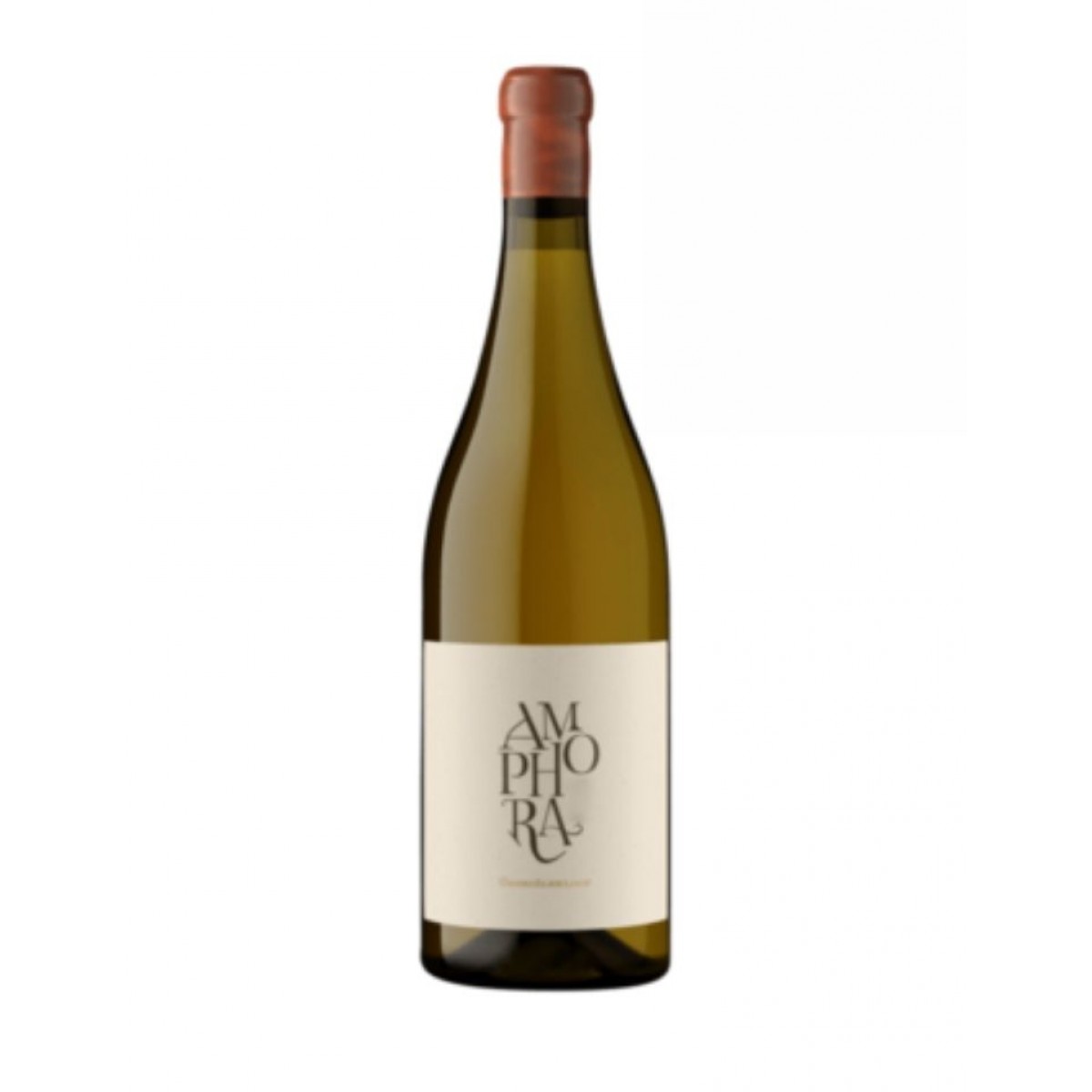
Killer Deal – from 6 bottles
GABRIELSKLOOF
Amphora – Sauvignon Blanc – 2022
CHF 22.90 instead of CHF 29.90
All prices in CHF incl. VAT. Daily price as of 09.05.2023.
Offers valid while stocks last. Errors and price changes reserved.


