The Wine Scene Between Tradition and Innovation
Neal Martin, renowned wine critic and columnist, takes us on a journey of discovery through South Africa's wine scene in his latest article. His impressions are honest, reflective, and highlight the diversity and challenges of a region that many still underestimate.

Quality Beyond the Supermarket Shelf
"The disparity between cheap supermarket wines and the high-quality wines from winemakers like Eben Sadie and Chris Alheit is enormous," writes Martin. South Africa offers a rich variety of quality wines, often available for a fraction of the price one would pay in other wine regions. These affordable yet outstanding wines impressively demonstrate what the country has to offer. However, although many of these wines receive top ratings worldwide, they are often considered "too cheap" and not taken seriously enough.
For Neal Martin, this is a particular strength of South Africa – the opportunity to appeal to a broad base of new wine lovers who might just be starting to explore the world of fine wines. Behind the unassuming price tags lie true treasures waiting to be discovered.
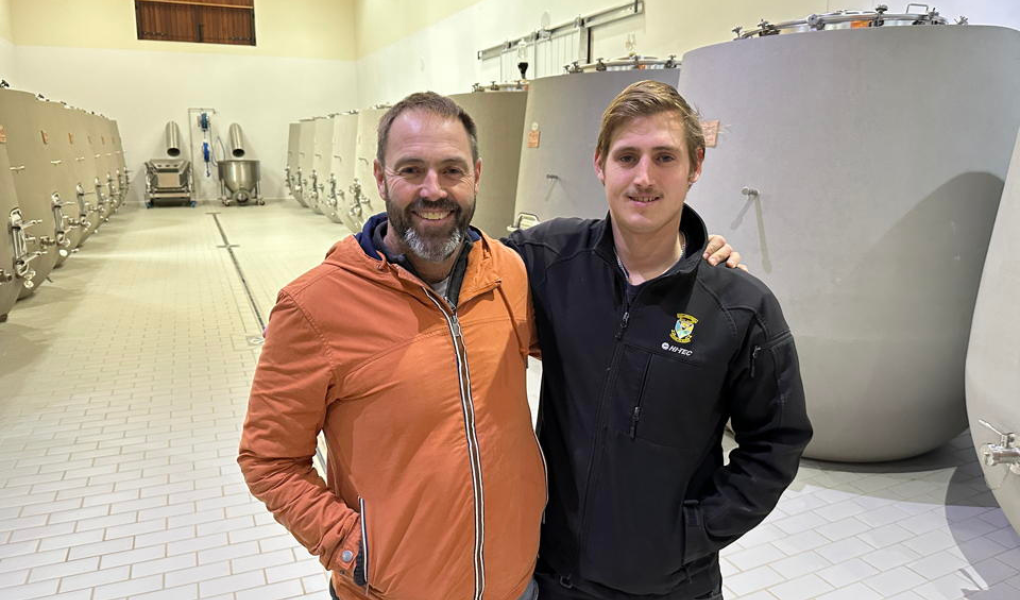
Eben Sadie with his son Markus.
Old Vines and the Legacy of Cape Winemaking
South Africa may at first glance appear to be a typical "New World" wine country, but it surprises with a special feature: some of the oldest vines outside Europe. Neal Martin highlights in his article the value of these old vines, some of which date back to the early 20th century. These historic vineyards give South African wines a depth and character that few regions can offer.
Thanks to the Old Vine Project (OVP), an initiative dedicated to the protection and preservation of these rare vines, this precious heritage is being maintained. The project not only secures the future of the vines but also allows consumers to discover the special quality of these wines. Martin raves: "The Old Vine Project secures a heritage and offers consumers a unique quality rarely found in the Southern Hemisphere."
For Neal Martin, this project is more than just a contribution to environmental protection. It is a homage to the terroir and history of the country, which is reflected in every sip of these old vines. South Africa thus shows that it possesses not only modern innovations but also a deep connection to the past – and it is precisely this combination that makes the wines from these historic vineyards so special.
Pinotage and Chenin Blanc – The Heart and Soul of South Africa
While Pinotage is often considered the national grape variety of South Africa, Neal Martin sees Chenin Blanc as the true soul of the region. This versatile grape has found its firm place in South African wine culture over the years and impresses with its adaptability. "Chenin Blanc can be as multifaceted as hardly any other grape variety and is developing into a true icon here," Martin describes enthusiastically. The country's winemakers masterfully utilize the versatility of this grape, creating wines that range from fresh and fruity to complex and age-worthy – a breadth that hardly any other grape variety offers. Thus, Chenin Blanc in South Africa proves to be a perfect reflection of the terroir and the experimental spirit of its winemakers.
Pinotage, which was long rather derided and often dismissed as rustic, is now experiencing a real renaissance. In the hands of a new generation of talented winemakers, Pinotage is now showing a completely new side – elegant, structured, and expressive. Winemakers like Kanonkop and Scions of Sinai prove that Pinotage is more than just a regional curiosity. They bring out the full potential of this grape variety, which is now proudly part of South Africa's identity again, thus paving the way for an exciting future.
For Neal Martin, Chenin Blanc and Pinotage combine the best of the South African wine scene: innovation, tradition, and a distinct character. Both grape varieties are deeply rooted in the country and embody its special winemaking history as well as the exciting prospects for the coming years.
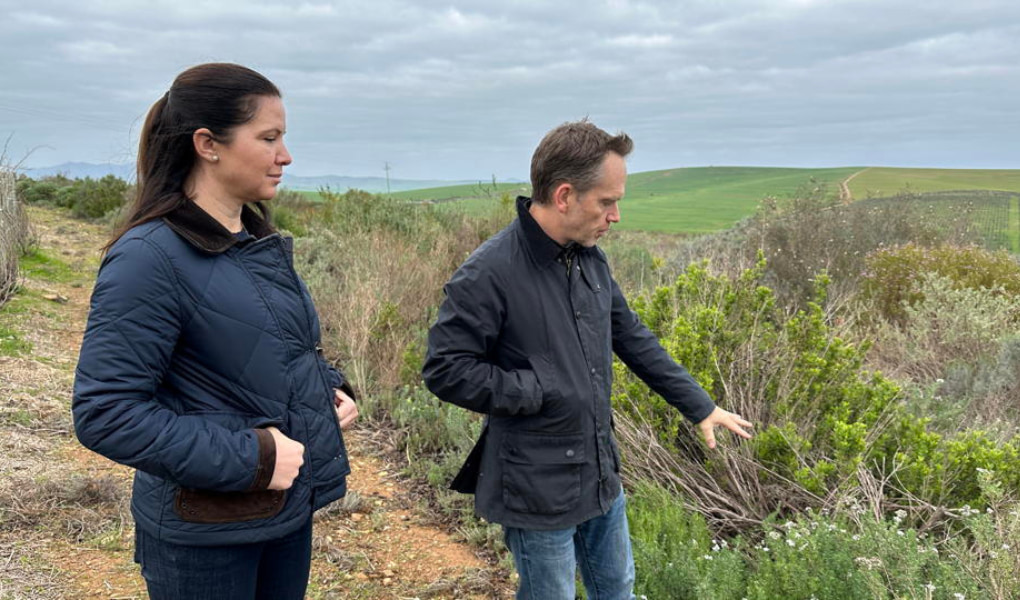
Chris and Mullineux show their fynbos plants on their Roundstone Farm.
Climate Change and the Adaptation of Viticultural Practices
Martin vividly describes the drastic weather extremes that winemakers have had to cope with in recent years – from drought to extreme rainfall. But winemakers are not discouraged and are increasingly relying on sustainable cultivation methods. Biodynamic techniques, the use of fynbos plants for soil preservation, and natural pest control by animals such as sheep and ducks are common practices today, which Martin describes as innovative responses to climatic challenges.
A Strong Community and a Spirit of Solidarity
Neal Martin is particularly moved by the strong community he experienced among South African winemakers. The winemakers in the country are not only passionate about their craft but also deeply connected. "In a country with limited resources, mutual support is everything," Martin emphasizes, highlighting the importance of this solidarity. Winemakers stand by each other, share experiences, and help one another in difficult times – a mentality that Martin finds unique.
This pronounced cohesion gives the South African wine world a very special dynamic. Winemakers often work hand in hand to make the best use of their resources, benefiting from the knowledge and skills of their colleagues. This spirit of cooperation not only ensures high quality wines but also brings an energy and passion to the industry that Martin describes as exceptional.
For Martin, it is this special bond that distinguishes and inspires South Africa as a wine country. It shows that viticulture here is not just an individual task but a community project where everyone pulls together. In an industry often characterized by competition, South Africa remains an example for other wine regions due to its cohesion and common pursuit of excellence.
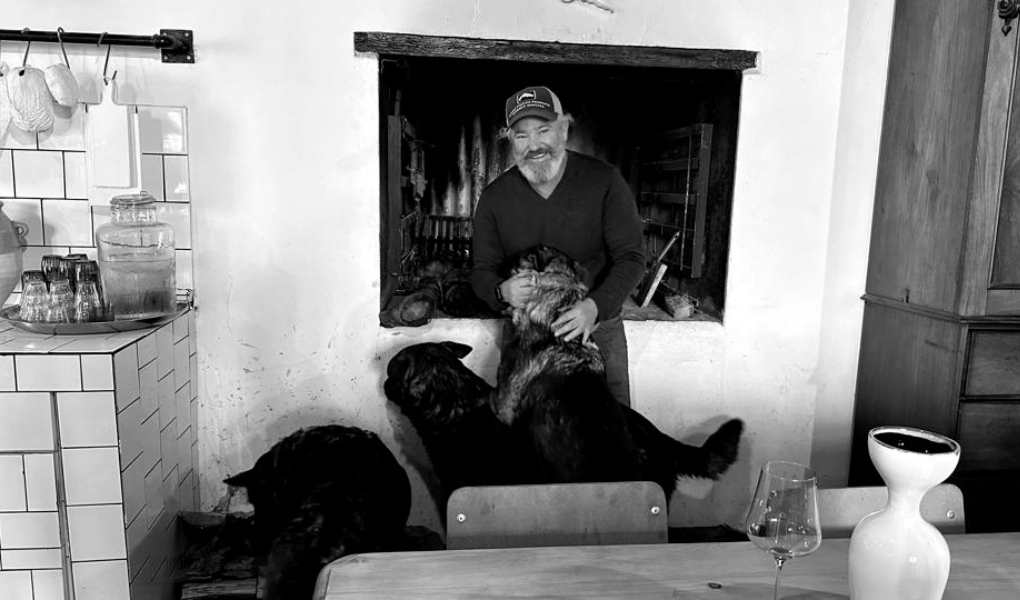
Adi Badenhorst's expanded farm supplies many winemakers with fruit.
A Perspective on the Future
Neal Martin is convinced: The South African wine scene is not only rich in history but also full of innovative spirit and authenticity. In a world increasingly focused on exclusivity, South Africa stands for an inclusive and accessible wine culture. Martin leaves no doubt that this region will play an even greater role on the global wine stage in the future. Those who have not yet tried the special drops from the Cape should be inspired by Martin's passionate article – and embark on a journey into South Africa's wine world.